2026-10-19 · Drew Thompson
Choosing the Right Toilet for Your Baltimore Bathroom Remodel
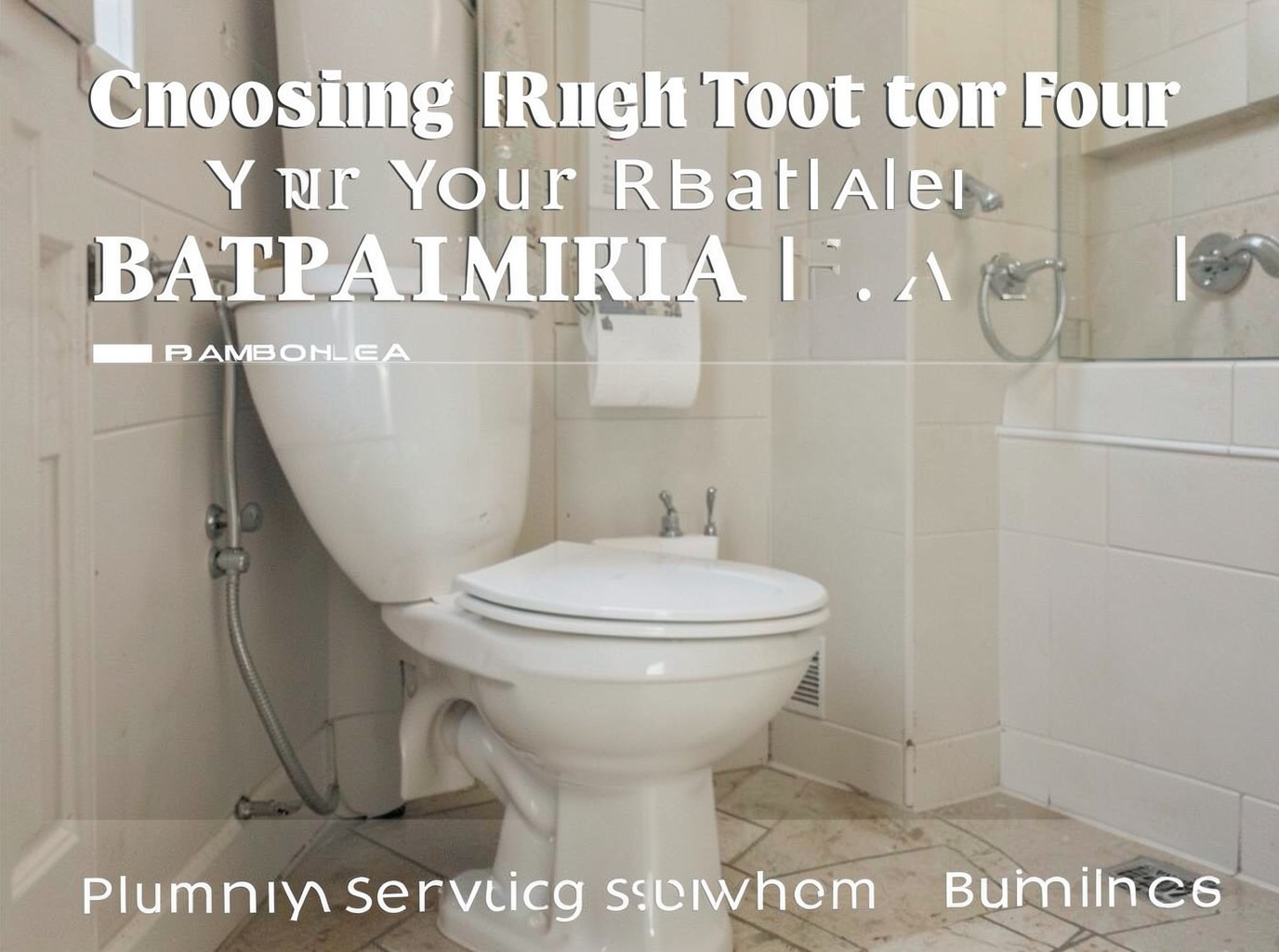
Choosing the right toilet for your Baltimore bathroom remodel is a decision that impacts both the aesthetics and functionality of your space for years to come. The best choice often depends on your specific needs, budget, and the style of your home, whether it's a historic rowhouse in Federal Hill or a newer construction in Locust Point. Key factors to consider include the toilet's style, flushing technology, water efficiency, and rough-in measurements. A well-chosen toilet can enhance comfort, conserve water, and even reduce the frequency of toilet repair issues down the line, which is especially important given Baltimore's humid subtropical climate and its effect on plumbing systems over time.
Understanding Toilet Styles and Configurations
When you're planning a bathroom remodel in Baltimore, the visual appeal of your toilet is just as important as its performance. Toilets come in several basic styles and configurations, each offering distinct advantages. Two-piece toilets are the most common and generally more affordable, with a separate tank and bowl. This design makes them easier to transport and install, and if one part breaks, you might only need to replace that component. However, the seam between the tank and bowl can be a spot where dirt and grime accumulate, making cleaning a bit more challenging. These are a popular choice for many homes across Baltimore's diverse neighborhoods, from the classic charm of Mount Vernon to the family-friendly vibe of Charles Village.
One-piece toilets, on the other hand, integrate the tank and bowl into a single, seamless unit. This design offers a sleeker, more modern aesthetic and is significantly easier to clean due to the lack of crevices. While often more expensive and heavier to maneuver, their compact design can be a benefit in smaller Baltimore bathrooms, common in older homes in areas like Bolton Hill or Reservoir Hill. For a truly minimalist look, wall-mounted toilets are an excellent option, as the tank is concealed within the wall, freeing up floor space. This can make a small bathroom feel much larger and is particularly appealing in contemporary remodels, though installation is more complex and costly due to the in-wall carrier system.
Flushing Technologies and Water Efficiency
Beyond aesthetics, the flushing technology of a toilet plays a crucial role in its performance and water consumption, which is a significant consideration for Baltimore homeowners. Most modern toilets use gravity-fed flushing systems, where water from the tank flows into the bowl, creating a siphoning action that clears waste. These are reliable, relatively quiet, and cost-effective. However, within gravity-fed systems, there's a range of efficiency. Look for models labeled High-Efficiency Toilets (HETs), which use 1.28 gallons per flush (GPF) or less, compared to older models that might use 3.5 GPF or more. This can lead to substantial water savings over time, especially important in a densely populated independent city like Baltimore.
For superior flushing power, especially in homes that might experience occasional clogs, pressure-assisted toilets are an option. These use a pressure tank inside the main tank to force water into the bowl, resulting in a very powerful, albeit louder, flush. They are excellent for waste removal and can be a good choice for high-traffic bathrooms. However, they are typically more expensive and can be noisier. Given Baltimore's older housing stock, particularly in areas like Fells Point and Patterson Park, ensuring robust flushing can minimize issues and reduce the need for professional drain snaking. Choosing a water-efficient model not only benefits your utility bill but also aligns with broader environmental goals for the Chesapeake Bay watershed.
Rough-In Measurements and Installation Considerations
One of the most critical, yet often overlooked, aspects of choosing a new toilet for your Baltimore bathroom remodel is the rough-in measurement. This refers to the distance from the wall behind the toilet to the center of the drainpipe (or the bolts that secure the toilet to the floor). The standard rough-in size is 12 inches, but older homes in neighborhoods like Canton or Hampden might have 10-inch or 14-inch rough-ins. It's absolutely essential to measure this accurately before purchasing a new toilet, as an incorrect rough-in will make installation impossible without significant and costly plumbing modifications. You'll want to measure from the finished wall, not the baseboard, to the center of the floor bolts.
Beyond the rough-in, consider the toilet's overall dimensions, especially in smaller bathrooms. Will the new toilet fit comfortably without obstructing door swings or making the space feel cramped? Also, think about the height of the toilet. Comfort-height toilets, which are typically 17 to 19 inches from the floor to the top of the seat, are becoming increasingly popular. These are about 2 to 3 inches taller than standard height toilets and can be much more comfortable for taller individuals, the elderly, or those with mobility issues. For any complex installations or if you encounter unexpected issues, such as needing to adjust drain lines, it's always best to consult with a professional plumber like Drew & Sons Plumbing Corp. We're available 24/7 for all your plumbing needs, serving Baltimore and nearby cities like Annapolis and Columbia from our base at 6116 MacBeth Dr #6300, Baltimore, MD 21239.