2026-10-19 · Drew Thompson
Common Plumbing Noises and What They Mean in Your Baltimore Home
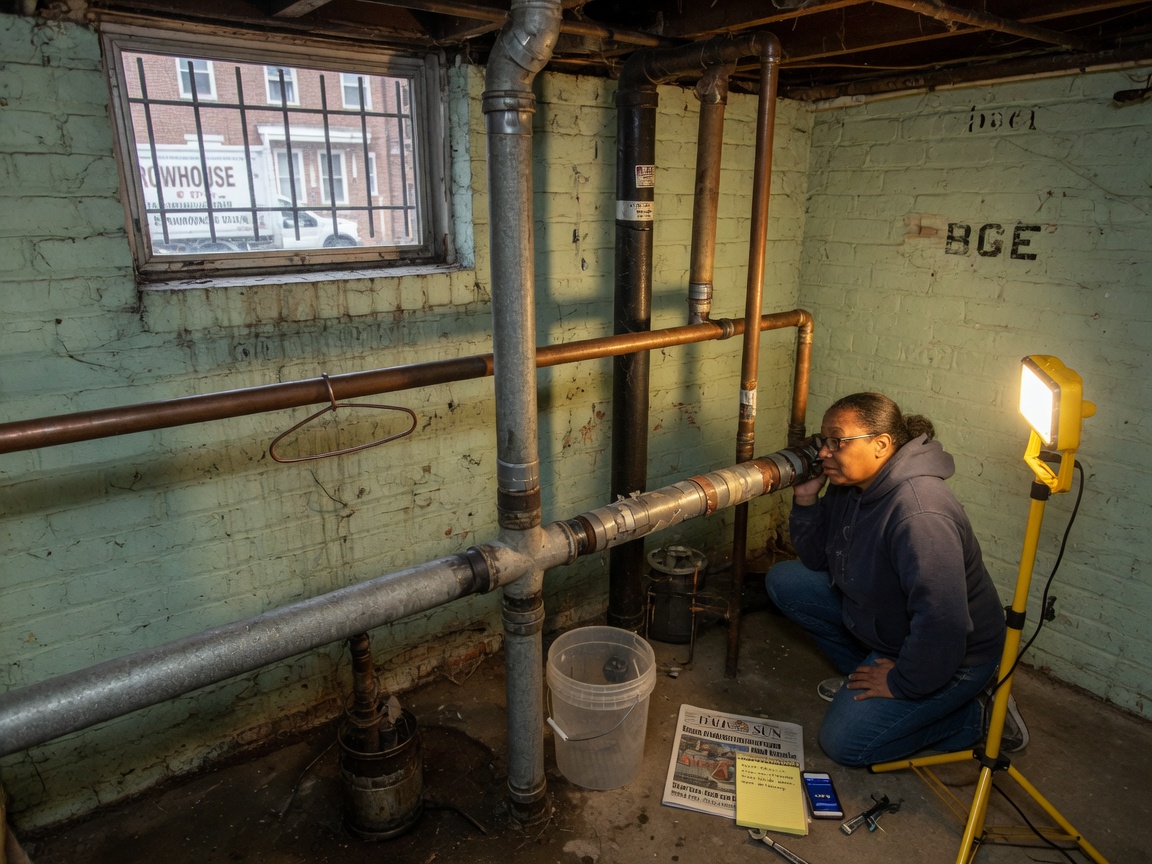
Common plumbing noises in your Baltimore home, such as banging, whistling, gurgling, and dripping, typically indicate specific issues ranging from minor inconveniences to serious plumbing problems. For instance, a banging noise (often called 'water hammer') usually points to sudden changes in water pressure or loose pipes, while a gurgling sound from drains often suggests a partial clog or venting issue. Addressing these sounds promptly can prevent further damage and maintain the integrity of your plumbing system, which is especially important in older homes found in neighborhoods like Fells Point or Mount Vernon.
Banging Pipes: The Dreaded Water Hammer
If you hear a distinct banging or hammering sound when you turn on or off a faucet, flush a toilet, or when your washing machine fills, you're likely experiencing what plumbers call 'water hammer.' This occurs when water flowing through pipes at high speed suddenly stops or changes direction, causing a shockwave that makes the pipes vibrate and strike against framing or other pipes. In many Baltimore homes, particularly those built in the early 20th century in areas like Hampden or Charles Village, older galvanized pipes can be more susceptible to this issue. The constant banging can loosen pipe connections over time, potentially leading to leaks or even burst pipes if left unaddressed. It's not just an annoyance; it's a sign of stress on your system.
Resolving water hammer often involves installing water hammer arrestors, securing loose pipes with pipe straps, or adjusting water pressure regulators. High water pressure, common in some areas of the Independent City, can exacerbate water hammer, so checking your home's water pressure is a good first step. While some minor cases might be a DIY fix, persistent banging, especially after significant water usage, often requires a professional assessment to prevent more serious damage like a burst pipe. For severe cases, especially in the winter months when pipes are already under stress from colder temperatures, addressing water hammer becomes even more critical.
Whistling or Humming Sounds: Pressure and Flow
A whistling or humming noise from your pipes, particularly noticeable when water is running, can indicate a few different problems. One common cause is a partially closed valve, restricting water flow and creating a high-pitched sound as water forces its way through the narrow opening. This can happen with main shut-off valves or individual fixture shut-offs. Another culprit could be a faulty pressure reducing valve (PRV), which is designed to maintain consistent water pressure in your home. If the PRV is failing, it might produce a humming sound as it struggles to regulate pressure.
In Baltimore homes, particularly those in areas with varied terrain like Bolton Hill or Reservoir Hill, water pressure can fluctuate, making a functional PRV essential. A whistling toilet, on the other hand, almost always points to a fill valve issue, where a worn-out component is causing water to flow unevenly into the tank. Addressing these issues not only eliminates the annoying sound but also helps maintain proper water flow and pressure throughout your home, preventing undue strain on your entire plumbing system and potentially saving on water bills. You can find more information on issues like this in our article on understanding your home's main water shut-off valve in Baltimore.
Gurgling Drains: The Venting Problem
When you hear a gurgling sound coming from your drains, especially after flushing a toilet or draining a sink, it's usually a strong indicator of a problem with your plumbing vent system or a partial clog. The vent system allows air into the drainpipes, preventing a vacuum from forming and ensuring wastewater flows smoothly. If a vent pipe is blocked by debris, leaves, or even a bird's nest (which can happen in older homes with exposed vents), air can't enter the system properly. This causes air to be pulled through the water in the trap, resulting in that characteristic gurgling sound.
A partial clog in the drain line itself can also cause gurgling, as water struggles to pass through, trapping air bubbles. This is particularly common in kitchen sinks or bathroom drains in busy households. In older Baltimore homes around Patterson Park or Locust Point, tree roots can also infiltrate sewer lines, causing significant blockages that manifest as gurgling. Ignoring gurgling drains can lead to slow drainage, foul odors, and eventually, a complete blockage and potential sewage backup. If you're experiencing gurgling and slow drains, it might be time for a professional drain snaking service to clear the obstruction.
Dripping and Ticking Sounds: Leaks and Expansion
A dripping sound is perhaps the most obvious indicator of a leak. Whether it's a steady drip from a faucet, a toilet that constantly runs, or a more subtle drip from a hidden pipe, it signifies wasted water and potential water damage. Even a small drip can waste hundreds of gallons of water per year, leading to higher utility bills. In Baltimore's humid subtropical climate, persistent moisture from leaks can also contribute to mold growth, especially in enclosed spaces like under sinks or behind walls.