2026-10-19 · Drew Thompson
Outdoor Plumbing Maintenance for Spring in Baltimore
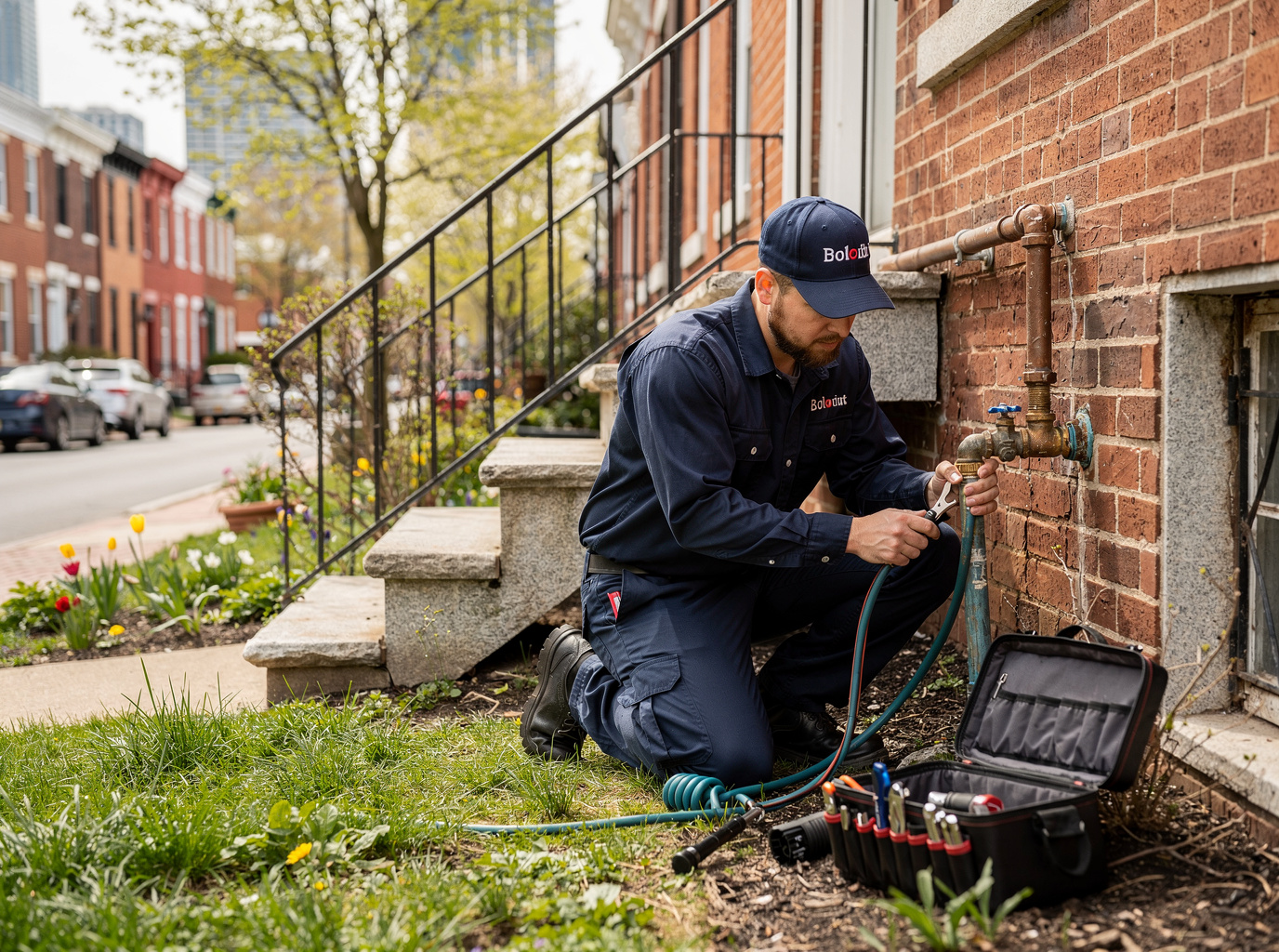
As the cool Baltimore winter gives way to a humid subtropical spring, ensuring your outdoor plumbing is in top shape is critical to avoid unexpected leaks and damage. Spring outdoor plumbing maintenance in Baltimore involves a thorough inspection and preparation of all exterior water systems, from hose spigots to irrigation lines, and typically takes a homeowner anywhere from 1 to 3 hours to complete, depending on the complexity of their setup. This proactive approach helps prevent issues that can arise from freezing and thawing cycles common in our Independent City, protecting your property from potential water damage and saving you from emergency calls later in the season. Addressing these items now can mean the difference between a smooth transition into warmer weather and dealing with burst pipes or unexpected flooding.
Inspecting and Preparing Your Hose Bibs and Spigots
Your outdoor hose bibs, often called spigots, are among the most vulnerable components of your exterior plumbing system after a Baltimore winter. Even if you drained them last fall, the fluctuating temperatures, especially in neighborhoods like Hampden or Charles Village with older housing stock, can cause seals to crack or small amounts of trapped water to freeze and expand, leading to hairline fractures. Begin by visually inspecting each spigot for any signs of corrosion, cracks, or drips. Turn on the water slowly and check for leaks around the handle and where the spigot connects to the house siding. A small drip now can quickly escalate into a significant leak, especially under increased water pressure during spring and summer use. If you notice any persistent dripping or visible damage, it's wise to consider a repair or replacement to prevent further issues.
Next, attach a garden hose to each spigot and test the water flow and pressure. Look for any unusual sputtering or a significant drop in pressure, which could indicate an internal issue or a partial blockage. If your spigots are not frost-free, consider upgrading them. Frost-free spigots are designed to drain water away from the exterior wall, significantly reducing the risk of freezing and bursting during Baltimore's cool winters. This upgrade is particularly beneficial for homes in areas like Fells Point or Federal Hill where properties often have older plumbing infrastructure. Regularly checking these simple components can save you the headache and expense of a larger repair down the line.
Checking Your Irrigation Systems for Spring Start-Up
For those with irrigation systems, spring start-up is a critical maintenance step that requires careful attention. After being dormant through the winter, the first step is to slowly reintroduce water to the system. Turn the main water supply valve to the irrigation system on gradually to allow the pipes to fill slowly and prevent a sudden surge that could damage components. Inspect all visible sprinkler heads for any signs of damage, such as cracks from winter weather or being hit by lawn equipment. Replace any broken or malfunctioning heads to ensure even water distribution and prevent water waste. Look for obvious leaks around the base of sprinkler heads or along exposed piping; even a small leak can waste hundreds of gallons of water over a season.
Beyond visible checks, run each zone of your irrigation system manually for a few minutes. Observe the spray patterns and adjust sprinkler heads as needed to ensure they are covering the intended areas without watering sidewalks or driveways. Pay close attention to any areas that appear overly saturated or bone dry, as this could indicate a broken pipe underground or a clogged nozzle. In Baltimore's varied terrain, from the hilly streets of Mount Vernon to the flatter landscapes of Patterson Park, proper irrigation coverage is essential for healthy landscaping. If you suspect an underground leak, which might manifest as unusually green or wet patches of lawn, it's best to call a professional for a thorough inspection, as these can be tricky to locate and repair. Ignoring these signs can lead to significant water loss and potentially higher utility bills.
Maintaining Your Outdoor Drains and Gutters
While not strictly 'plumbing' in the traditional sense, outdoor drains and gutters play a crucial role in managing water flow around your Baltimore property, especially during spring's heavier rainfalls. Clogged gutters can lead to water overflowing and pooling around your foundation, potentially causing basement leaks or even compromising your home's structural integrity. Start by thoroughly cleaning out all gutters and downspouts, removing leaves, twigs, and any other debris that accumulated over the fall and winter. Ensure downspouts direct water at least 5 to 10 feet away from your foundation to prevent water from seeping into your basement or crawlspace.
Inspect outdoor drains, such as those in driveways, patios, or around basement entrances, for blockages. Debris can easily accumulate in these drains, preventing proper water runoff and leading to localized flooding. Clear any visible obstructions and, if possible, flush them with water to ensure they are flowing freely. For homes in areas like Locust Point or Bolton Hill, where properties are often close together and drainage can be a concern, maintaining clear outdoor drains is paramount. If you notice slow drainage or standing water after heavy rains, it might indicate a more significant issue further down the line, potentially requiring professional intervention. Regular maintenance of these systems is a simple yet effective way to protect your home from water damage.
Checking for Leaks in Exterior Walls and Foundations
Spring is an ideal time to check your home's exterior walls and foundation for any signs of water damage or potential entry points for leaks. The humid subtropical climate of Baltimore, with its freeze-thaw cycles, can be particularly harsh on building materials over time. Walk around your entire home, paying close attention to the foundation, window wells, and where pipes enter or exit the house. Look for discoloration, efflorescence (white, powdery mineral deposits), cracks in the foundation, or damp spots on exterior walls. These could all be indicators of a hidden water leak, either from your plumbing system or from external water intrusion. For homes near the Inner Harbor or Fort McHenry, where humidity levels can be higher, these checks are especially important.